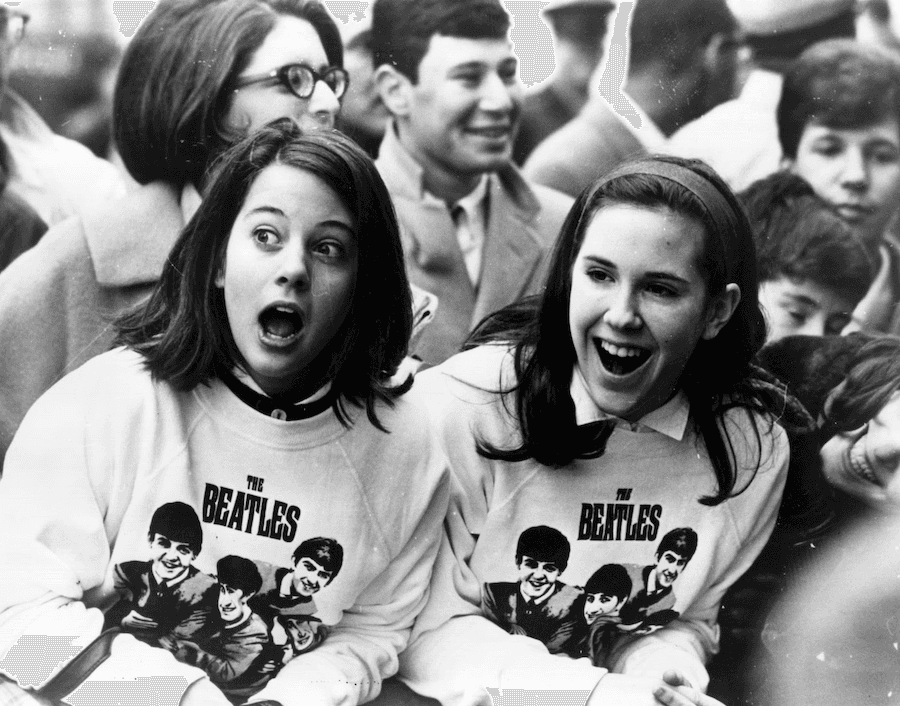
The marketing industry has a habit of treating cultural engagement as a specialism. It's a discipline with its own vocabulary and its own corner of the org chart, adjacent to but distinct from the serious business of brand strategy.
The question of whether your brand has genuine cultural relationships is not a question about your social media presence or your sponsorship portfolio or your choice of influencer partnerships. It is a question about whether you have earned the right to exist in people's lives in any meaningful sense at all.
Most brands haven't. Most brands don't need to, because functional value and physical availability will carry you further than the industry likes to admit. But for the brands that want more than that, for the ones that want to be genuinely constitutive of something, the path is clear.
For best results: read on your desktop
(your eyes will thank you)
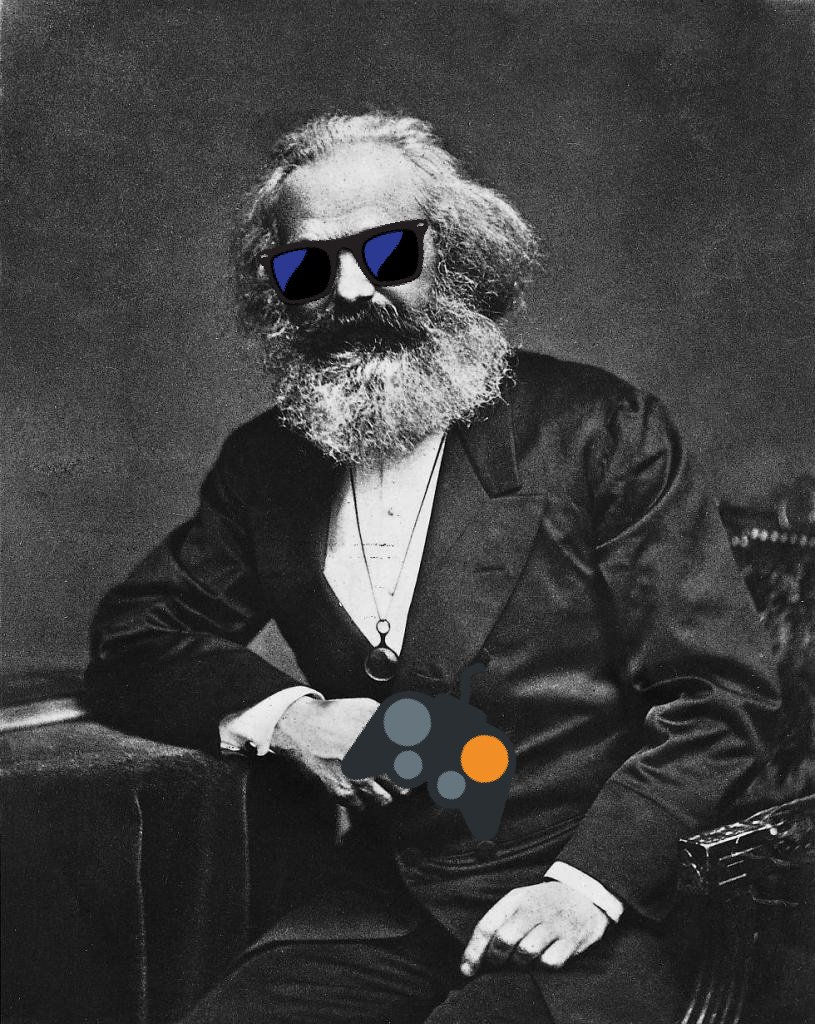

Culture is the total body of learned behaviour shared by a group of people. Language, ritual, taste, value systems, the unwritten rules that determine who belongs and who doesn't, what counts as authentic and what counts as fake. It's the water in which human beings swim; invisible to those inside it, immediately apparent to anyone looking in from outside.
Culture is always in motion. It's a negotiation between residual forms (inherited from the past), dominant forms (the mainstream of the present), and emergent forms (the things trying to break through). Reading culture well means learning to see all three simultaneously; to understand not just what exists but what is passing away and what is coming into being.
Culture is not Content
A meme is content. The sensibility that makes it legible to one group and incomprehensible to another is culture. These are absolutely not the same thing, and asking your social agency to make more memes without first getting to grips with the culture that powers them is like asking them to make something go viral.
CULTURE IS NOT A CHANNEL
Culture doesn’t live in channels; it moves through them. TikTok, Instagram, Reddit etc are distribution systems, not the source of meaning. Treating culture like a media placement misses the point: you don’t “activate” culture by showing up in a channel, you earn relevance by understanding the behaviours, codes, and communities that exist beyond it.
CULTURE IS NOT WHAT'S TRENDING
Trends are the surface; culture is the current underneath. What’s trending is often the most visible, fastest-moving expression of something deeper, but by the time it’s a trend, it’s already been discovered, shaped, and circulated by communities.

Culture isn’t created to be admired from the outside; it’s built to make sense on the inside. It’s made up of shared references, in-jokes, rituals, and behaviours that signal belonging to those who understand them, and often confusion to those who don’t. What feels natural and meaningful within a group can feel obscure, excessive, or even cringeworthy from the outside.
Most cultures are not designed for mass appeal. They are specific, sometimes obsessive, and frequently indifferent to how they are perceived. From highly technical communities to niche fandoms, what gives a culture its depth and durability is precisely what makes it resistant to simplification.
If everything feels instantly legible and widely “cool,” it’s usually no longer culture in its original form; that is, it’s a flattened version, shaped for broader consumption. Real cultural insight comes from engaging with what doesn’t immediately translate, and understanding why it matters anyway.
These are fundamentally different things, and the failure to distinguish between them has generated an enormous amount of strategic confusion, wasted budget, and frankly embarrassing creative work. In a very real sense, the language of culture makes zero fucking sense for the vast majority of brands.
YOU CAN'T BUILD A COMMUNITY AROUND A WASHING POWDER.
The language of audiences, fans, communities, and brand love (ie, the entire vocabulary that social-forward agencies developed in the early 2010s) borrowed its logic from culture. It described the relationship between artists and their devotees, between subcultures and their members, between communities and the things that held them together. Applying it wholesale to fast-moving consumer goods didn't make sense at the time, and we're only just figuring that out.
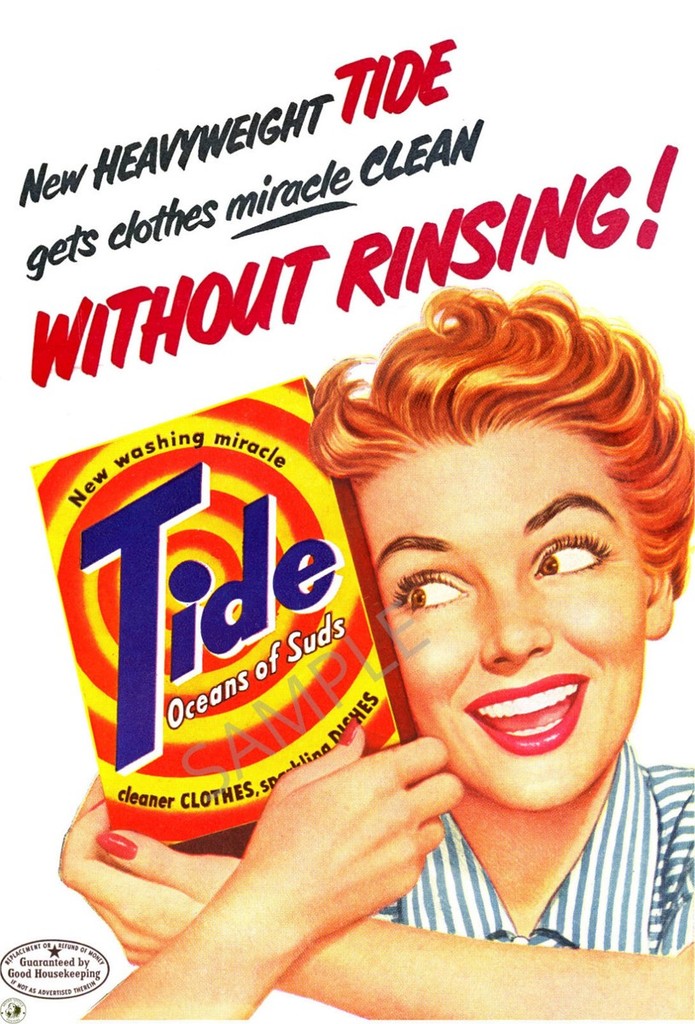

Consumers are fundamentally promiscuous; behaviour is driven by salience, availability, price signals, and inertia. If the shop is out of Ben & Jerry's, you buy Häagen-Dazs. If they're out of both, you buy whatever is there. You don't drive to another shop. You don't feel a sense of loss. You don't post about it, and if you do you're a dickhead. If you'd prefer Coke Zero but they've only got Pepsi Max, you drink the Pepsi Max. The research consistently bears this out: for the vast majority of categories, brand preference is weakly held, easily overridden by availability and price, and almost entirely disconnected from anything a brand has done on social media.
THIS IS NOT A FAILURE OF MARKETING!
This is the normal, proper functioning of markets and while it isn't glamourous, it's really important. The job of most brand marketing is to maintain memory structures and physical availability, all of which has nothing to do with culture. and that's OK!
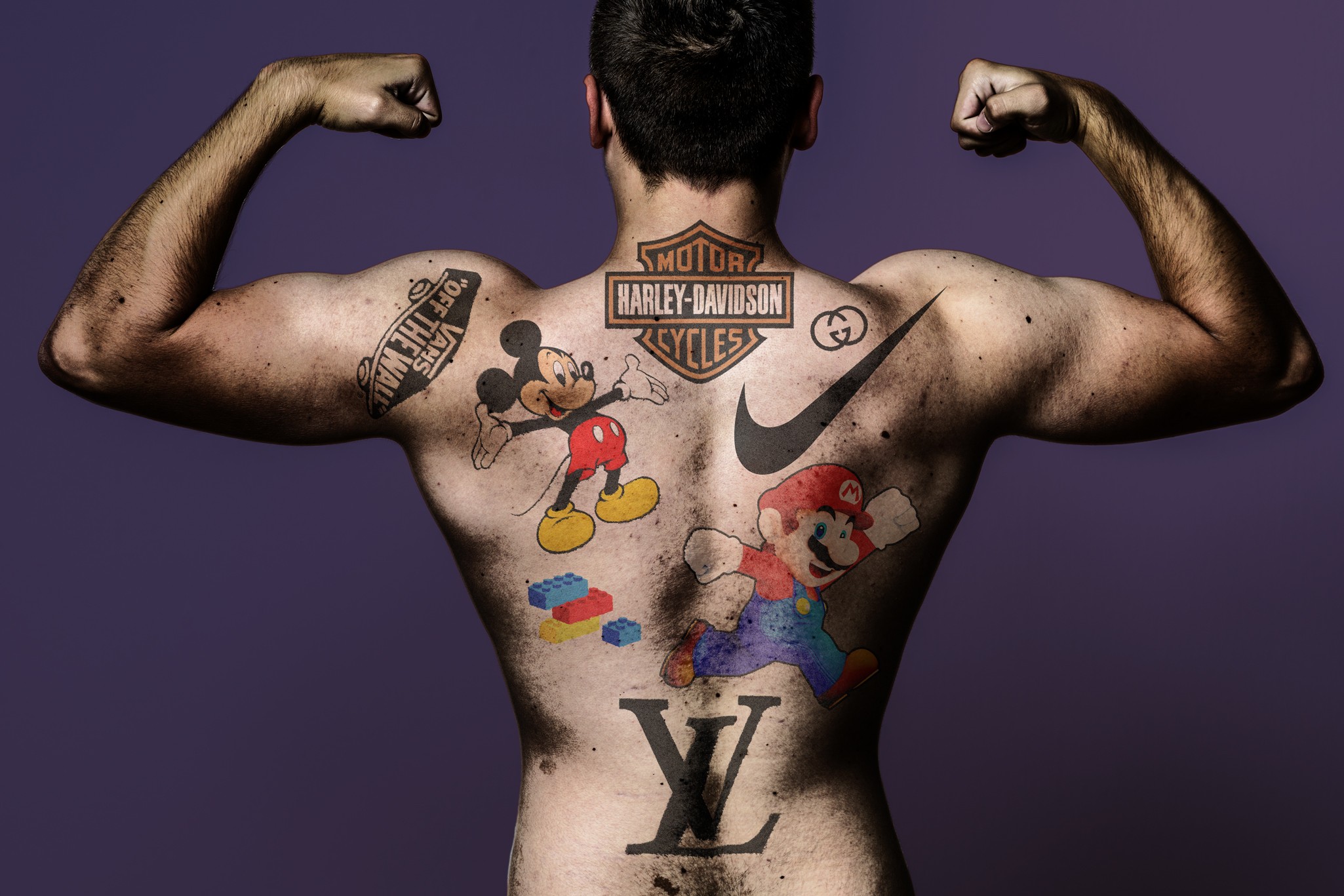
Fender guitars. HBO. Harley-Davidson. Red Bull. The Criterion Collection. Carhartt (in its original context, before the fashion world got there). Vans. Linux. Ferrari, at the level of those who will never own one. Supreme, during the specific window when that word still meant something to the people it was meant for, ie before they through a brick through it.
These are brands whose absence would measure as a cultural loss, not just an inconvenience. They're brands that participate in the construction of meaning for the people who use them, rather than simply serving a functional need.

Culture brands are not united by category, price point, or marketing strategy. A skateboarding shoe brand has nothing obviously in common with a Viennese energy drink or a free operating system. What they share is something structural: each of them is materially implicated in the ongoing life of a specific cultural group. The brand isn't adjacent to the culture; it's load-bearing. Remove it and something actually changes — in how the group identifies itself, in what it can do, in how it relates to the outside world.
INCONGRUITY IS NOT A BARRIER
It's absolutely true that some brands have to be culture brands if they want to survive. Trying to make running shoes or guitars or developer tools or video games or bicycles or movies without a deep and abiding connection to the culture you serve is idiotic at best. But there are a ton of brands that should be culture brands but aren't, or were once and aren't any longer (the road to video game dominance is paved with used-to-be culture brands, just ask EA).
More interesting are the culture brands that got that way entirely out of choice, etching themselves indelibly into culture through sheer determination and bloody-minded audacity. In fact, almost every category I can think of has an example.
So how exactly does that happen?
constitutive, not complementary
Culture brands participate in the production of culture
Fender doesn't sell to guitarists; it is part of what being a certain kind of guitarist means. The instrument is a cultural artefact before it is a commercial product, and the brand's history is inseparable from the history of the music.
EXCLUSIVE BEFORE INCLUSIVE
Culture brands are defined by distinctions
This sounds counterintuitive in an era of growth-at-all-costs, but it's structurally necessary. A brand that tries to belong to everyone belongs to no one, because belonging requires meaningful in-group/out-group dynamics.
CONSISTENTLY COMMITTED
Culture brands accumulate trust slowly and lose it catastrophically
Culture brands are built over years, sometimes decades, of consistent, specific commitment. They are destroyed in moments; a wrong sponsorship decision, a cultural misstep, a pivot toward mainstream legibility that signals to the community that the brand has decided they are no longer the primary audience.
GIVES BEFORE IT TAKES
Culture brands invert the structural logics of conventional marketing
The vast majority of marketing works the same way; find an audience, capture attention, convert to purchase, repeat. Culture brands invert this.The brand must give to the culture before it can ask anything of it. It must demonstrate that its presence makes the culture richer, more capable, more itself'; it has to be a participant and not a parasite.
There's no 'right' way to do this, but in my experience, brands attempting meaningful cultural relationships move through recognisable stages. Most never leave stage two. The transitions between stages are where everything goes wrong, and where the most important strategic decisions get made.

_note
Very few brands reach stage six, and of those that do, most got there by accident rather than strategy. Which doesn't make the journey irrelevant — it just demands humility about the destination. The framework is most useful as a diagnostic: knowing precisely where you are is the only way to move forward without destroying what you've built.
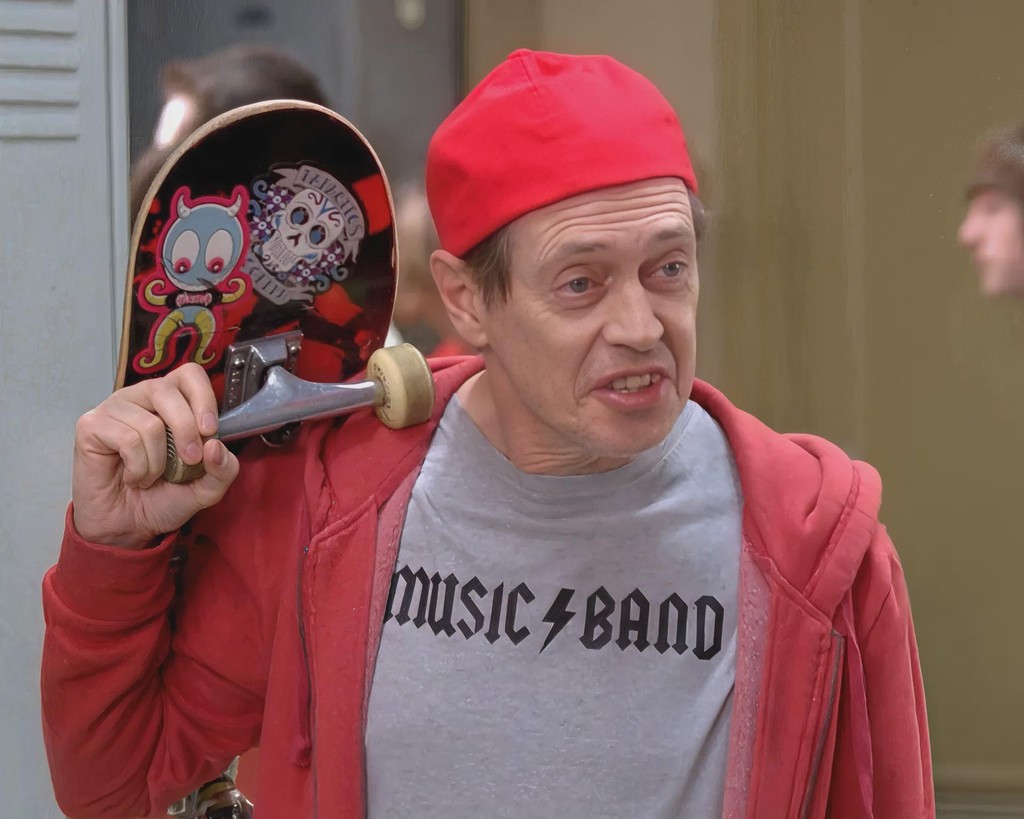
One of the most reliable signals of a brand attempting cultural engagement it doesn't understand is the vocabulary it uses to do so. The "how do you do, fellow kids" moment is a linguistic failure before it is a strategic one; the brand has adopted surface markers of a culture without understanding the structural logic that gives them meaning.
Language in cultural communities (and I include visual language and semiotics within this) is both functional and diagnostic. It tells insiders who belongs and who is performing belonging. The specific slang, the references, the in-jokes, the aesthetic preferences; all of these carry information that goes far beyond their literal content. When a brand attempts to use this language without having earned it, the signal it sends is precisely the opposite of the one intended: it reveals ignorance while trying to demonstrate fluency.
Brands attempting real cultural engagement need to do the hard ethnographic work of actually understanding how a community talks before they open their mouths at all.
This takes time and attention.